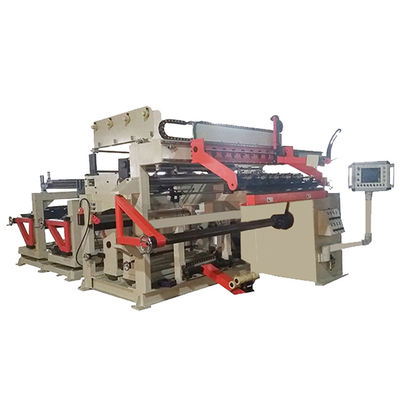
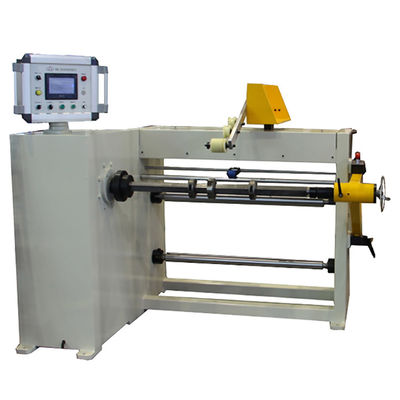
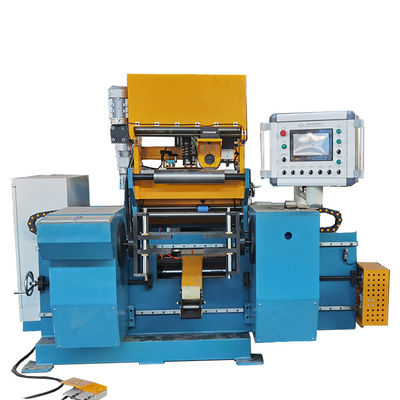
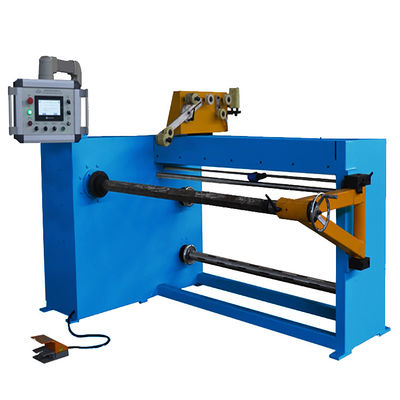
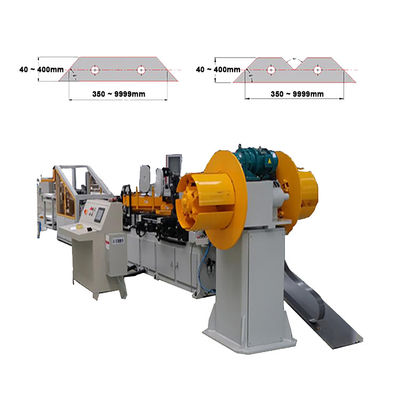
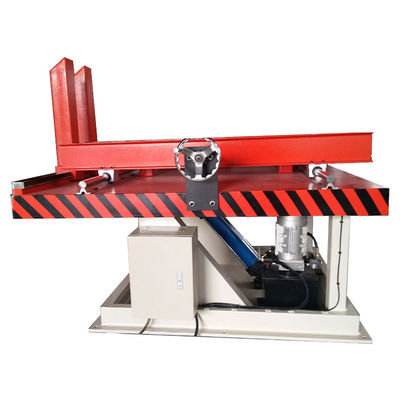
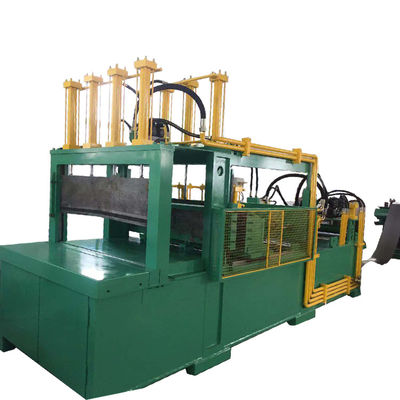
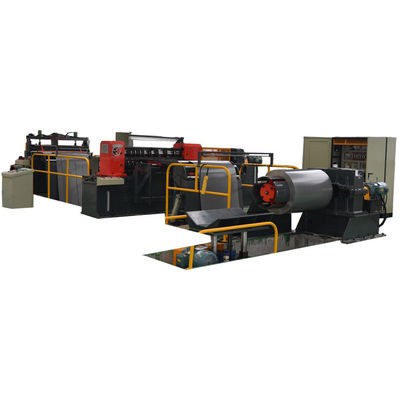
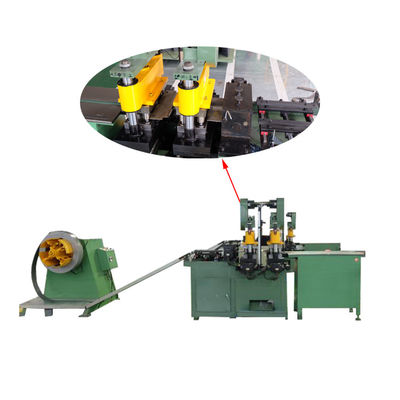
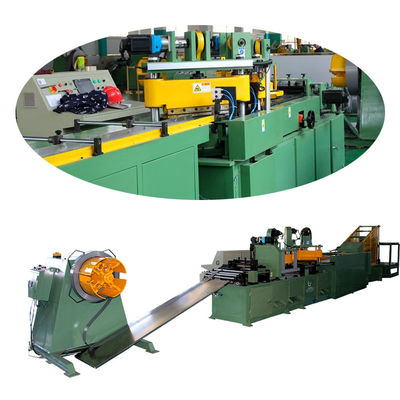
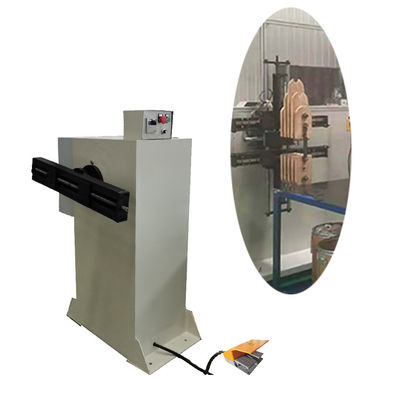
La adopción de la máquina de bobinado de papel transformador representa un salto significativo en la tecnología de fabricación eléctrica.Mejora radicalmente el rendimientoSi se preguntan por qué la industria ha invertido tanto en esta tecnología, los beneficios se pueden desglosar en cuatro áreas clave:rendimiento eléctrico, gestión térmica, eficiencia de producción y versatilidad de aplicación.
Rendimiento eléctrico superior: derrotando el efecto de la piel
Cuando la corriente alterna fluye a través de un conductor, tiene una tendencia natural a acumularse hacia la superficie." se hace más pronunciada en corrientes y frecuencias más altasEn un tradicional enrollamiento de alambre redondo, el centro de cada alambre es efectivamente subutilizado, actuando como un peso muerto que sólo contribuye al costo del material, no a conducir corriente útil.Un conductor de láminaEl uso de una máquina de enrollamiento de papel para construir bobinas de hojas finas y anchas.los fabricantes prácticamente eliminan el aumento de la resistencia AC causada por el efecto de la pielEsto se traduce directamente en menores pérdidas de carga perdida (pérdidas I2R), mayor eficiencia energética y una bobina de funcionamiento más fría.como las de las estaciones de carga de vehículos eléctricos o las unidades de frecuencia variable, esta es una ventaja crítica.
Gestión térmica optimizada: un camino sólido para el calor
El calor es el enemigo número uno de la longevidad de los transformadores. La esperanza de vida del sistema de aislamiento se reduce a la mitad aproximadamente cada 10 °C de aumento por encima de su límite térmico de clase.La arquitectura térmica interna de una bobina de cuerda de alambre es pobreEl calor generado en el núcleo interno de un haz de cables redondos debe viajar a través de muchas capas de aislamiento de alambre y bolsas de aire para llegar a la superficie.y esta es una noticia terrible para una bobina calienteUna bobina de enrollamiento de papel, construida por una máquina de enrollamiento de papel, es fundamentalmente diferente: es un bloque sólido de metal separado solo por capas delgadas y bien comprimidas de papel aislante.El calor generado en el interior de la lámina tiene unaLa temperatura interna del punto caliente es significativamente más baja, lo que da al transformador una vida útil más larga,mayor capacidad de sobrecarga, y un mayor margen de seguridad.
Notable eficiencia y consistencia de la producción
El método tradicional de enrollar una bobina de bajo voltaje con docenas de cables paralelos es una artesanía.Se requiere un operador altamente calificado y experimentado para gestionar la tensión y la alineación de múltiples cables simultáneamenteUna máquina de enrollado de papel aluminio transforma esto en un proceso rápido, automatizado y repetible.un operador a menudo puede completar una bobina de enrollado en menos de una horaLa precisión no depende de la sensación del operador; el PLC controla perfectamente la tensión y la alineación en cada ocasión, lo que reduce drásticamente las tasas de desecho.elimina el riesgo de cables cruzadosDesde el punto de vista de la fabricación, resuelve el problema de la dependencia laboral y aumenta enormemente el rendimiento.
Versatilidad de aplicaciones: desde la red hasta la energía verde
Las máquinas de enrollamiento de papel son la columna vertebral de la producción moderna de bobinas de bajo voltaje para una amplia gama de productos.las que se ven en las subestaciones urbanas y en las líneas eléctricas ruralesLa resistencia mecánica superior de una bobina de papel, resultado de su estructura monolítica, le da una capacidad excepcional para resistir las fuerzas electromagnéticas aplastantes durante un cortocircuito.Esto hace que la tecnología sea obligatoria para transformadores que requieren una alta estabilidad dinámicaAdemás de la distribución estándar, el enrollamiento de papel es esencial en aplicaciones especializadas.y los devanados de bajo voltaje dentro de los transformadores montados en almohadillas que aumentan la potencia en granjas solares masivas y góndolas de aerogeneradores.
En conclusión, una máquina de bobinado de lámina de transformador es un facilitador. Permite la producción de transformadores que son más pequeños, más fríos, más eficientes y más robustos que sus predecesores enrollados en alambre.A medida que la red mundial se modernice e integre más energía renovable, esta tecnología seguirá siendo un pilar fundamental de los equipos eléctricos de alta calidad.


 ¡Su mensaje debe tener entre 20 y 3.000 caracteres!