Conocimiento de las máquinas de bobinado de papel transformador
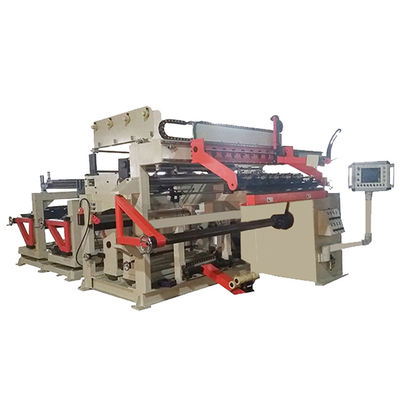
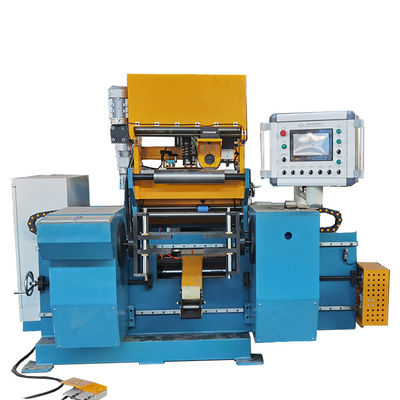
Si alguna vez ha visto el interior de un transformador de distribución, sabe que contiene bobinas de material conductor.Pero si nos fijamos en el enrollamiento de bajo voltaje de casi cualquier transformador moderno, desde la unidad en un poste de la calle a la dentro de un aerogenerador, encontraremos algo completamente diferente.En lugar de cientos de hilos delgados, verá un bloque sólido y ordenadamente superpuesto de papel de cobre o aluminio.como un rollo de toallas de papelLa máquina especializada que crea esta bobina precisa y compacta se llama unmáquinas de laminado de papel transformador.
¿Por qué el cambio de alambre a papel?
Entonces, ¿por qué la industria pasó del alambre a la lámina?
La respuesta radica en la física básica de los transformadores: en el lado de bajo voltaje, el voltaje se reduce, lo que obliga a la corriente a ser extremadamente alta.Un transformador de distribución típico de 1000 kVA puede tener fácilmente una corriente de bajo voltaje superior a 1500 amperiosSi se trata de llevar esta corriente a través de cables redondos de cobre, se enfrenta a un grave problema. Para manejar el amperaje sin sobrecalentamiento, se necesita un área transversal muy grande.Esto significa enrollar docenas de cables redondos, a veces más de 50, en paralelo.Este proceso de enrollamiento paralelo de múltiples cables es laborioso y arriesgado. Los cables pueden cruzarse entre sí, creando puntos calientes.que reduce gravemente la conductividad térmicaMecánicamente, la bobina no es tan fuerte, haciéndola más vulnerable a las inmensas fuerzas electromagnéticas que ocurren durante un cortocircuito.
Un conductor de papel es una hoja de metal delgada y ancha, de la que una sola capa puede reemplazar toda una fila de cables redondos paralelos.Cuando la lámina se enrolla con un papel aislante de capa intermediaLa gran superficie de la lámina también combate el "efecto piel", que es el efecto de la piel en la piel." un fenómeno en el que la corriente alterna de alta frecuencia o de alta corriente tiende a fluir sólo en la superficie de un conductorUn conductor de papel es esencialmente toda la superficie, haciendo mucho mejor uso del cobre.
El papel de la máquina transformadora de bobinado de papel
Aquí es donde elmáquinas de laminado de papel transformadorPara hacer estas bobinas de papel superior, se necesita una máquina capaz de manejar hojas de metal anchas y delicadas con extrema precisión.la bobina sin arrugas con aislamiento entrelazado y terminales soldados es imposibleLa máquina automatiza esta compleja tarea.
Componentes clave y proceso
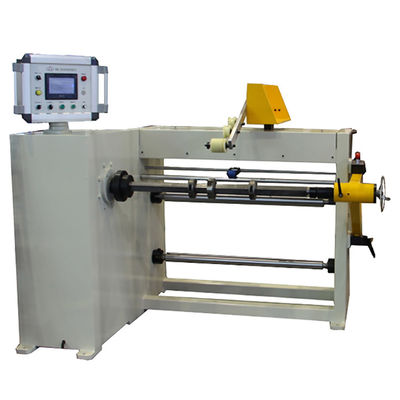
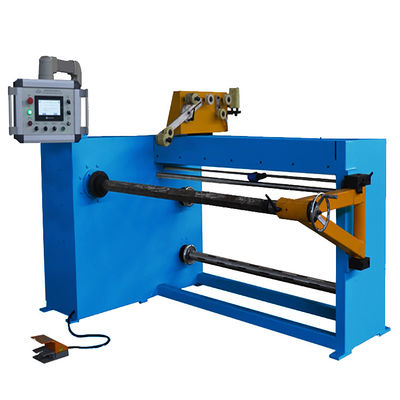
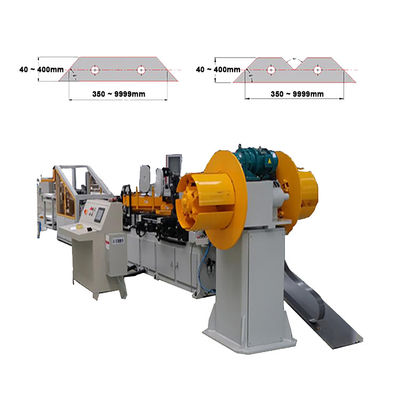
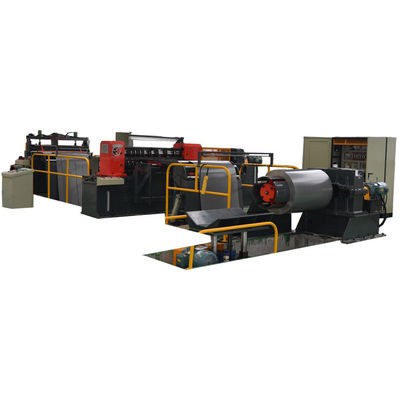
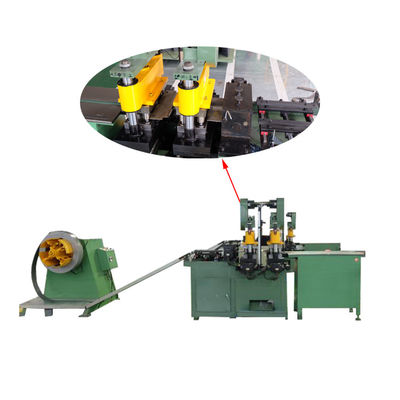
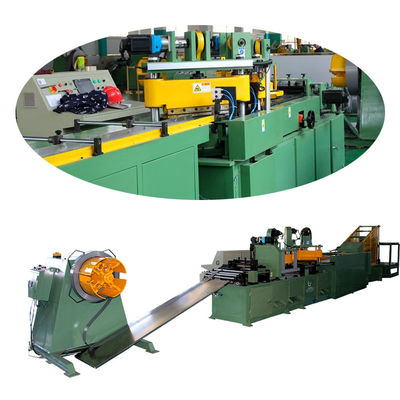
Una máquina estándar de enrollado de papel de aluminio consta de varias secciones clave: en el lado de entrada, hay una unidad de desenrollamiento que contiene un enorme rollo de papel de cobre, a veces de más de 500 kilogramos de peso.Justo al lado., otro mandril sostiene el rollo de papel aislante, que es típicamente un material de alto rendimiento como el Nomex o el papel compuesto DMD. La lámina debe pasar a través de una unidad de alisado y desesbarro.El metal sale del rollo con una curva natural y bordes microscópicos en sus bordes dejados por el proceso de corteSi no se eliminan estas burrs, pueden perforar el papel de aislamiento delgado, llevando a un cortocircuito catastrófico una vez que el transformador está energizado y bajo voltaje.La máquina utiliza rodillos de precisión para aplanar la lámina y un dispositivo de desesbarro para redondear los bordes suavemente.
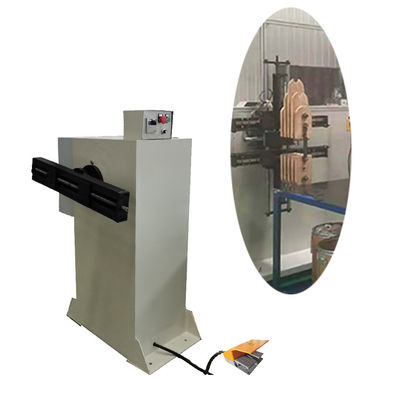
Una de las operaciones más críticas integradas en la máquina es la soldadura de los cables terminales.Necesita barras sólidas de cobre o aluminio para conectarse al resto del transformadorDurante el proceso de enrollamiento, al principio y al final de la bobina, la máquina se detiene.y un operador utiliza un soldador integrado de gas inerte de tungsteno (TIG) o un soldador en frío ultrasónico para fijar estas barras de salida de plomo directamente a la láminaLa soldadura debe ser perfectamente plana y lisa, sin proyecciones afiladas que puedan perforar el aislamiento.
Finalmente, el husillo de enrollamiento gira con el molde de formación, tirando simultáneamente de la lámina y el papel bajo un control de tensión preciso.la tensión en la láminaCuando el contador alcanza el valor preestablecido, la máquina corta automáticamente tanto la lámina como el papel, completando la bobina.
Hoy,Máquinas para el enrollamiento de lámina de transformadorson el estándar indiscutible para la producción de devanados de bajo voltaje en transformadores de tipo seco, sumergidos en aceite y de propósito especial.Son los caballos de batalla silenciosos que aseguran que nuestra red eléctrica esté construida sobre una base fiable., eficaces y duraderas.


 ¡Su mensaje debe tener entre 20 y 3.000 caracteres!